The Landlord's File Cabinet: Documents You Must Hold Under the Renters' Rights Era

Photo: Cabinet Secretariat, GODL-India, via Wikimedia Commons
Possession cases are rarely lost on drama. They are lost on filing. Since the rental reform agenda began reshaping the relationship between landlord and tenant, the decisive factor in most disputed claims has not been the conduct of either party but whether the correct documents were issued, in the correct form, at the correct time.
For landlords and agents alike, the message is unambiguous: if it is not documented, it may as well not have happened.
Why Paperwork Now Decides Possession
The courts and tribunals have grown steadily less forgiving of procedural shortfalls. A landlord who has invested in a property and behaved impeccably can still find a possession claim struck out because a certificate was served late or a prescribed document never reached the tenant in writing. The reformed regime tightens this further, placing emphasis on written tenancy terms, transparent records, and evidence of compliance held before — not after — a dispute begins.
What follows is a practical inventory, structured as a working file rather than a legal treatise.
The Core File: What Should Sit in Every Landlord's Records
1. Written Tenancy Terms
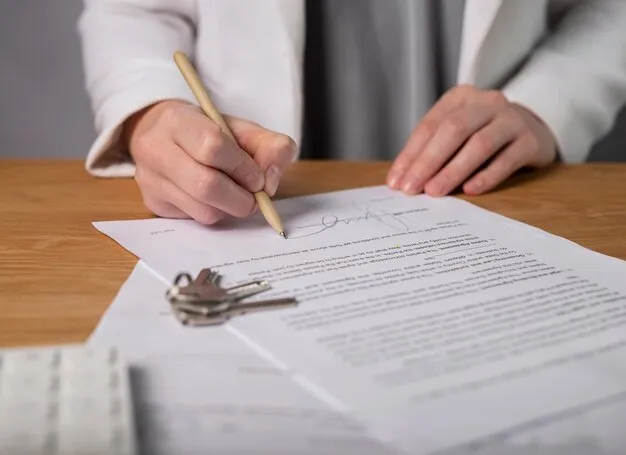
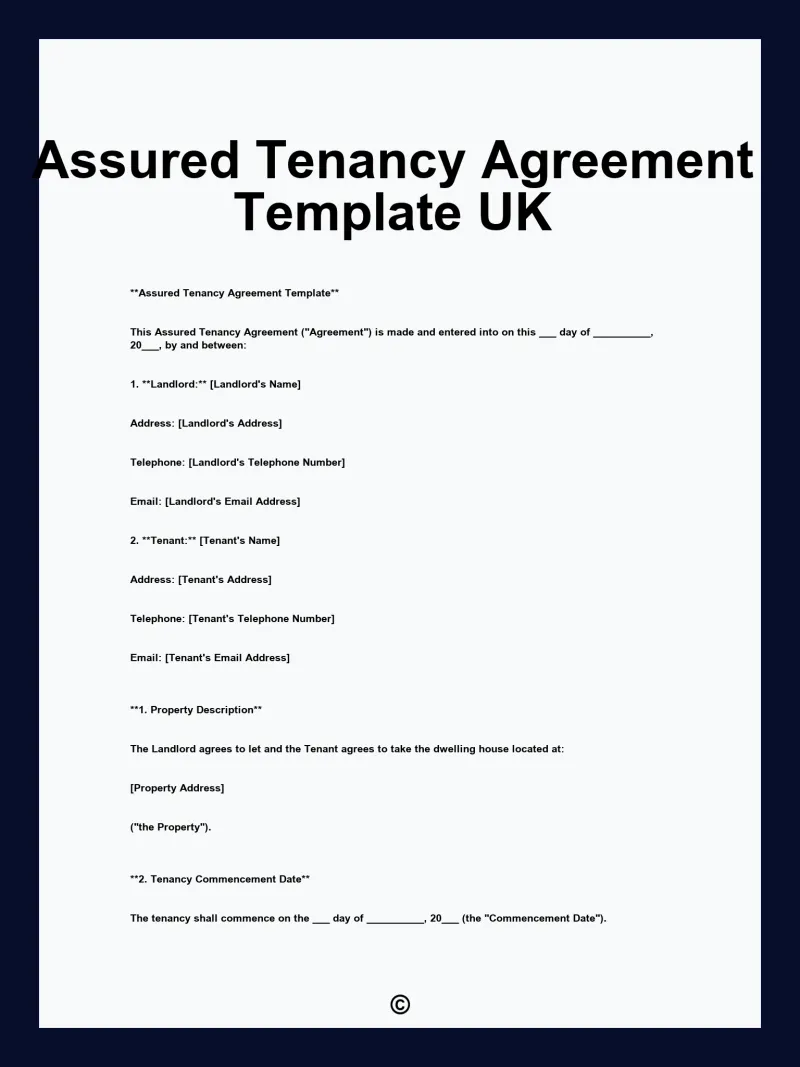
Written agreement to the tenancy is no longer a courtesy; it is an expectation of the reformed framework. The document should state the parties, the address, the rent, the review mechanism, notice arrangements, and any tenant or landlord obligations that go beyond the statutory baseline.
Ensure every person named as occupying the property is accounted for, and that the version held on file is the version actually signed.
2. The Prescribed Information Pack
Deposit protection remains a recurring source of avoidable failure. Prescribed information relating to the tenancy deposit must be served on the tenant and any relevant person within the statutory window, and the landlord must be able to prove service.
A confirmation email with a timestamp is worth more than a memory. Keep the certificate from the scheme, the prescribed information itself, and evidence of delivery.
3. Gas, Electrical and Energy Records
- A current gas safety record, renewed annually and given to tenants at the start of the tenancy and after each check
- An Electrical Installation Condition Report, obtained at the intervals required and renewed every five years
- An Energy Performance Certificate meeting the minimum rating threshold
Each document should be served on the tenant, and each service should be logged. Tribunals ask for evidence of provision, not merely of existence.
4. Right to Rent and Reference Records
Records demonstrating that right to rent checks were carried out, when they were carried out, and what was seen, belong in the file. So should references, guarantor agreements, and any correspondence about changes to occupancy.
5. How to Rent Guide
The current edition of the government's How to Rent guide must be provided at the outset of the tenancy. Keep a copy of the edition you served; the guide is updated periodically and the version matters.
6. Correspondence and Notices
Every notice served, every response received, every agreed variation — all of it should be retained in dated order. If a tenancy is amended mid-term, the amendment should exist in writing.
The Landlord's Compliance Checklist
- Signed written tenancy terms, one copy per named tenant
- Deposit protection certificate and prescribed information, with proof of service
- Gas safety record (annual, served)
- EICR (current, served, next due date diarised)
- EPC (valid, minimum rating met)
- How to Rent guide (correct edition, served)
- Right to rent check records
- Smoke and CO alarm test log
- Inventory and schedule of condition, signed
- Copies of all notices and significant correspondence
Review the file twice a year. Diarise renewals. Store documents in a way that survives a laptop failure.
What Omissions Actually Cost
It is worth being direct about the consequences.
Invalid possession claims. Where prescribed documents were never served, a landlord seeking possession on any ground may find the claim dismissed — regardless of the underlying merits. The tenant's non-compliance does not excuse the landlord's own.
Financial penalties. Local authorities have taken an increasingly active interest in documentation failures. Breaches of gas safety, EPC and electrical requirements each carry their own penalty regime, and penalties can be levied cumulatively for the same property.
Deposit disputes. Failure to protect a deposit or serve prescribed information within time can trigger sanctions of up to three times the deposit amount, alongside the inability to serve certain notices.
Reputational and licensing exposure. For landlords operating in selective or additional licensing areas, documentation failures feed directly into compliance assessments and can jeopardise licence renewals.
A Closing Word on Diligence
None of this is onerous in isolation. A morning spent assembling a complete file, and an hour in the diary twice a year to keep it current, is a modest price against the alternative: a possession hearing that collapses on a technicality, or a penalty notice that arrives because a certificate was never emailed.
The reformed framework rewards landlords who treat compliance as a habit rather than a scramble. Build the file before you need it.