Where There's Smoke, There's Paperwork: Auditing the Fire Safety Records That Decide Liability in a Block of Flats
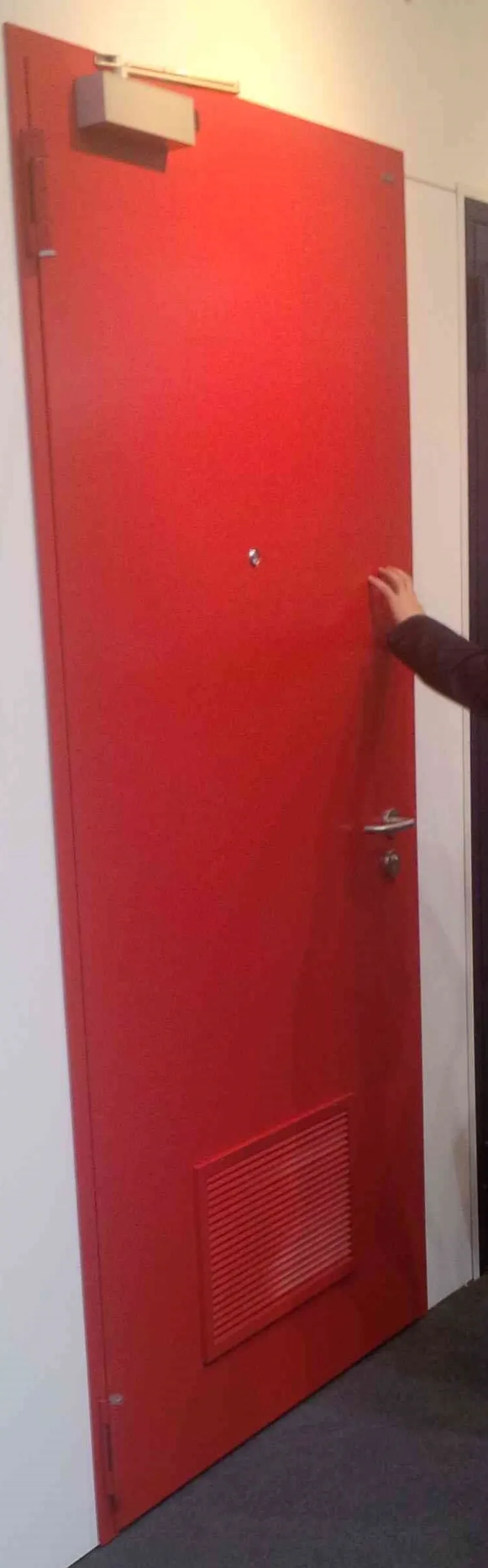
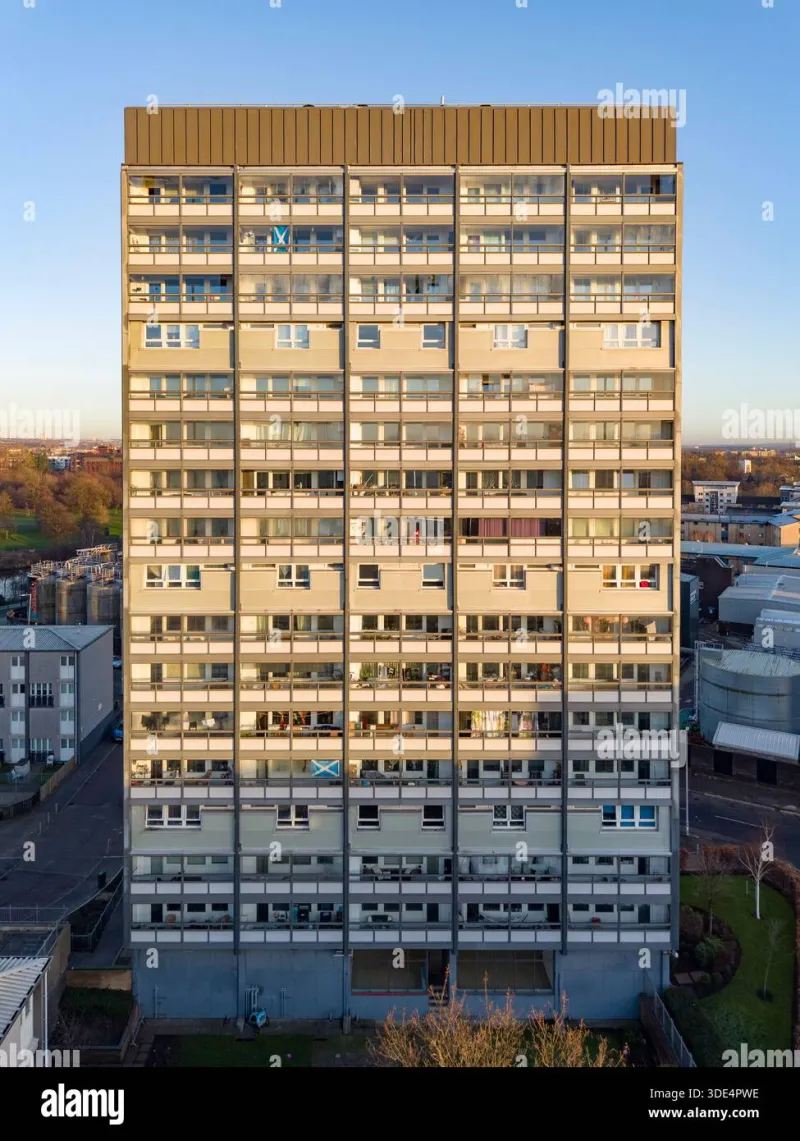
Photo: Xufor, CC BY-SA 4.0, via Wikimedia Commons
In the aftermath of a fire in a residential block, investigators, insurers and enforcement officers move quickly to a single question: can you prove the building was properly managed? Not whether a fire door was, in fact, sound — but whether you can demonstrate it was inspected, maintained and recorded. In UK fire safety law, the absence of a record is very often treated as the absence of the compliance itself.
For landlords, managing agents and freeholders of blocks containing common parts, that makes the fire safety file one of the most consequential sets of documents you own. This article explains what must be kept, why gaps in the paper trail shift liability, and how to audit your records before anyone else does it for you.
The Legal Foundation: The Fire Safety Order and What It Demands
The Regulatory Reform (Fire Safety) Order 2005 — usually shortened to the Fire Safety Order — places duties on the 'responsible person' for every building with common areas. In a block of flats, that typically means the freeholder, landlord or appointed managing agent, depending on how responsibility has been allocated in the management structure.
The Order does not merely require fire precautions to exist. It requires them to be recorded. Article 9 mandates a suitable and sufficient fire risk assessment; Article 11 requires procedures and arrangements to be in place; and Article 17 demands that systems of maintenance apply to the premises — with the supporting records demonstrating that those systems operate in practice.
Since the Fire Safety Act 2021 and the Building Safety Act 2022, the scope has widened and the scrutiny has deepened. For buildings of 18 metres or more, the Building Safety Regulator brings a level of documentation demand that many older management files were never designed to meet.
The Core Records: What Should Be in the File
A properly maintained fire safety file for a residential block should contain, at minimum:
- The current fire risk assessment, together with every review, revision and action plan arising from it. Superseded assessments should be retained — they show the history of remediation.
- Fire door inspection records. For buildings over 11 metres, quarterly checks of flat entrance doors and annual checks of communal doors are now expected under the Fire Safety (England) Regulations 2022. Each inspection should identify the door, its location, the date, the inspector and any defects found.
- Maintenance and servicing logs for fire alarm systems, emergency lighting, dry or wet risers, sprinklers and fire-fighting equipment, with certificates or service sheets from competent contractors.
- Evidence of competence: qualifications, third-party accreditation (such as BAFE or UKAS-related schemes) and method statements for contractors working on fire systems.
- Training records for staff and any appointed fire wardens, with dates and content.
- Records of enforcement history: any correspondence with the fire and rescue service, audit outcomes or improvement notices.
How Missing Records Shift Liability
The Fire Safety Order is enforced criminally. Where a fire causes death or injury, the responsible person can face prosecution — and the prosecution's case is often built on the documentation gap rather than the physical failure itself.
Consider the pattern that recurs in enforcement cases: a fire door fails to perform, but no inspection record exists to show it had ever been checked. An emergency lighting system has no service history, so no one can prove it worked. A risk assessment identified a hazard, but the action plan was never completed and no one can show when — or whether — it was reviewed.
In each scenario, the physical defect becomes an evidential one. The claim in negligence or under the Order hardens because the responsible person cannot demonstrate reasonable care. Insurers take the same view: policy conditions frequently require compliance with statutory obligations, and an incomplete file gives an insurer grounds to question or reduce a payout.
The paper trail, in short, is not administrative overhead. It is the mechanism by which compliance is proved and liability is contained.
A Practical Audit Checklist
Before regulators or insurers come knocking, work through the following:
- Locate the current fire risk assessment and confirm its date. If it is more than twelve months old, or the building has materially changed, commission a review.
- Trace every action raised in the assessment to a completed remediation record, invoice or contractor certificate.
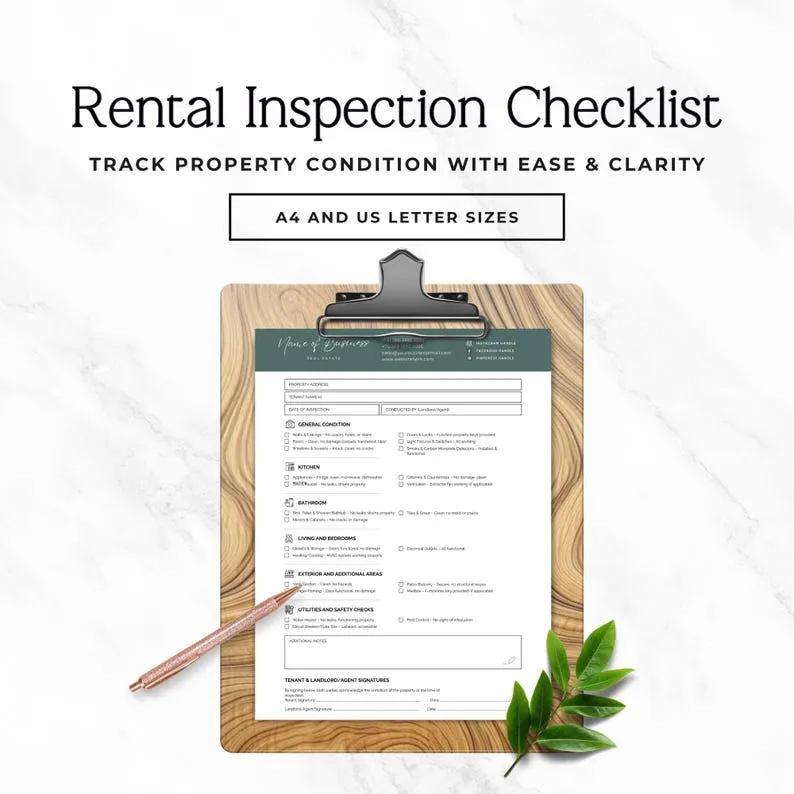
- Reconcile fire door records against the building schedule. Every flat entrance door and communal door should have an inspection history at the required frequency.
- Check contractor certificates for alarms, lighting and extinguishers — each should be signed, dated and identify the system serviced.
- Verify competence documentation for anyone who signed a record. An unsigned or unqualified inspection can be worse than none.
- Confirm retention: records should be kept for the life of the building's management, and certainly well beyond any limitation period for claims.
- Appoint a named document owner — a single person accountable for the file's completeness, with a deputy.
Closing the Gaps Before They Cost You
Fire safety documentation rarely fails dramatically. It erodes: a missed inspection here, an unsigned service sheet there, a risk assessment reviewed in someone's head but never on paper. The remedy is routine — a scheduled audit, a named custodian and a discipline of recording at the point of work.
For HousingDocs clients managing blocks of flats, we recommend treating the fire safety file with the same rigour as tenancy agreements or compliance certificates: versioned, dated, complete and retrievable within minutes. When the fire and rescue service audits your building — or worse, when a blaze does — the quality of that file will speak before you do.