Six Years, Forever or Until Completion: A Retention Timeline for Every Housing Document You Own
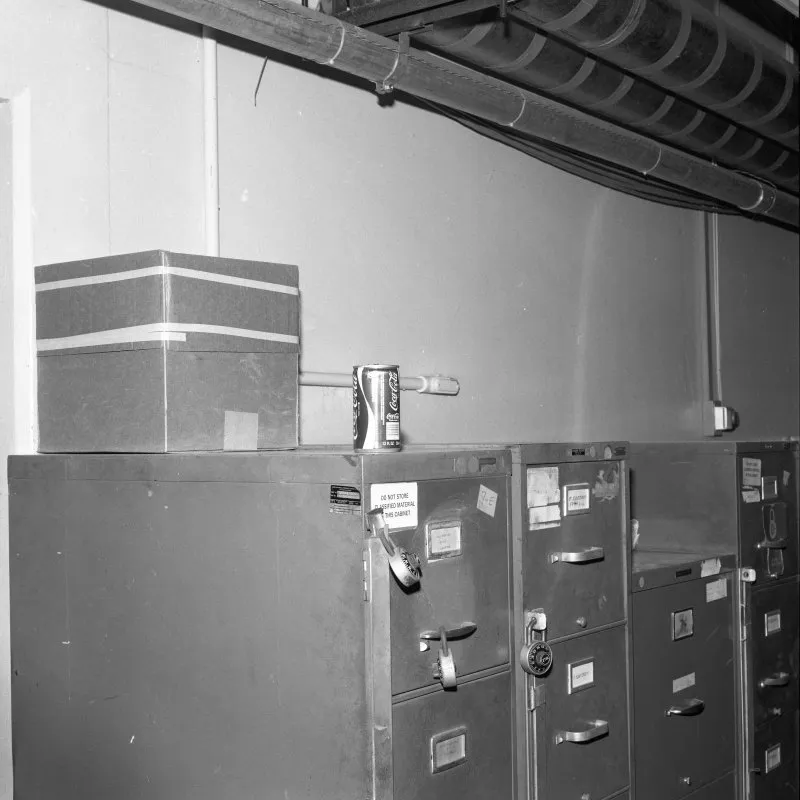
Photo: San Diego Air & Space Museum Archives, Public domain, via Wikimedia Commons
Every landlord and homeowner eventually faces the same dilemma: a filing box overflowing with certificates, statements and correspondence, and no clear sense of what can responsibly be destroyed. Destroy a document too early and you may find yourself unable to defend a deposit claim or answer a local authority enquiry. Keep everything indefinitely and your records become unusable. The solution is a retention timeline, applied consistently.
Why Retention Periods Matter More Than You Think
UK housing paperwork is not merely administrative clutter. Several categories of document carry legal weight long after the transaction they relate to has concluded. A gas safety record, for instance, forms part of your defence if an incident occurs on your property. A completion statement may be the only contemporaneous evidence of what you paid and when. Limitation periods for contract and tort claims in England and Wales generally run for six years, and this single fact shapes much of the retention guidance below.
Documents to Keep Indefinitely
A small number of records should be treated as permanent fixtures of your file:
- Title deeds and Land Registry title registers — evidence of ownership for as long as you hold the property, and useful afterwards for capital gains calculations.
- EPCs — valid for ten years, but retaining expired certificates costs nothing and provides a useful efficiency history for the property.
- Building control approvals, planning permissions and warranties — these follow the property, not the owner, and future buyers or their solicitors may request them decades later.
- Deposit protection prescribed information — keep for at least six years after the tenancy ends, in case of dispute or claim.
The Six-Year Rule: Core Tenancy and Transaction Records
For most everything else, six years from the end of the relevant tenancy or transaction is the working benchmark:
- Tenancy agreements and any variations or renewals
- Rent statements and payment records
- Inventory and schedule of condition reports — particularly important given deposit dispute timeframes
- Gas safety certificates — retain each annual record for at least six years after issue
- Completion statements and solicitor correspondence for buyers and sellers
If a dispute has actually been raised, retain all related documents until the matter is formally concluded plus six years.
What Can Go Sooner
Some paperwork has a much shorter working life. Routine maintenance receipts for minor works, general correspondence about viewings, and marketing materials can usually be discarded after twelve to twenty-four months. Utility bills in the landlord's name can go once final accounts are settled and any rebates received. When in doubt, scan before shredding — a digital copy costs almost nothing to store.
A Note on Digital Storage
HMRC and the courts accept scanned records provided they are legible and complete. A sensible approach is to digitise everything at the point of receipt, store it in a cloud folder organised by property and tenancy, and retain the original paper only for documents with embossed seals or wet signatures that carry particular evidential weight, such as executed deeds.
Building Your Own Timeline
A practical retention file has three compartments: permanent (title, warranties, planning documents), six years (tenancy, safety and financial records), and short-term (routine correspondence and minor receipts). Review the file annually — many landlords tie this to the gas safety renewal, since that date already demands attention. Discard deliberately, record what you have destroyed and when, and you will never again wonder whether that box in the loft is an archive or a liability.